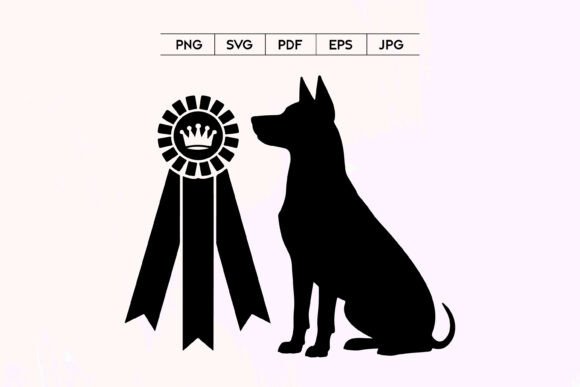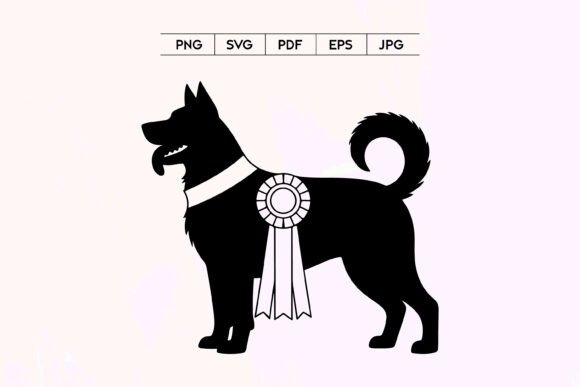
Champion Dog Award Badge Icon
First Impressions: A Design That Speaks to Pet Lovers
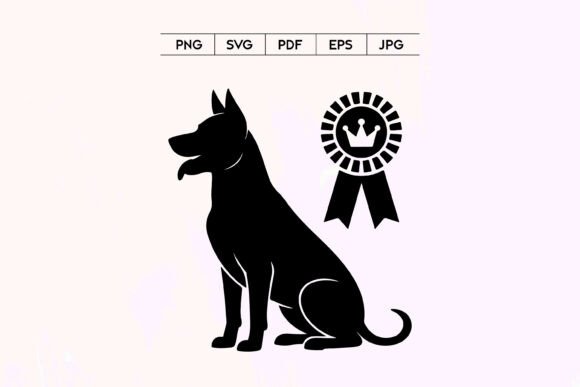
The Champion Dog Award Badge Icon immediately catches the eye with its clean, professional look. The design features a dog silhouette surrounded by a rosette-style badge, making it ideal for pet-related projects. The layout is well-balanced, with enough detail to feel meaningful without being overly complex. It has a nostalgic, award-winning vibe that feels right at home on custom apparel or handmade gifts.
The visual personality of the design is classic and timeless, which makes it versatile for different embroidery applications. Whether you're working on a baby onesie or a custom tote bag, the icon maintains its appeal. It’s clear this was designed with both aesthetics and functionality in mind.
Real-World Embroidery Use Cases
When considering how the Champion Dog Award Badge Icon would work in real-life embroidery situations, it shines as a standout element on custom apparel. For example, a sweatshirt with this design could be a hit at a local dog show or as a personalized gift for a pet owner. The badge shape lends itself well to embroidered patches, making it a great choice for small business owners looking to create branded merchandise.
On a tote bag, the design adds a touch of sophistication and recognition. It works equally well on baby clothes, where the soft lines and clean edges make it safe and appealing for young children. The design also has potential for holiday or wedding gifts, especially when paired with other pet-themed elements.
For craft fairs and Etsy listings, the Champion Dog Award Badge Icon offers a unique selling point. It can be used in printable mockups to showcase how the design will look on different products, helping buyers visualize the finished item before purchasing.
Where to Be Cautious: Design Limitations
While the Champion Dog Award Badge Icon is visually appealing, there are some areas where caution is advised. On small hoop sizes, the design might require careful placement to ensure all details are captured. Textured fabrics can sometimes cause the stitches to look less crisp, so testing on scrap fabric is always recommended.
Thin or stretchy fabrics may not hold the design as well, especially if the stitch density is too high. Dark fabrics can also affect the visibility of certain thread colors, so it's important to check contrast before finalizing a project. The design’s detailed corners and tiny lettering might be challenging on curved surfaces like caps or hats, where precision is key.
For commercial embroidery projects, it’s essential to confirm that the design meets the requirements for frequent washing and long-term durability. If the design is going to be part of a product that sees heavy use, extra attention should be paid to stabilizer use and stitch density.
Impact on Visual Appeal and Customer Trust
The Champion Dog Award Badge Icon enhances the visual appeal of any project it’s used on. Its clean lines and recognizable shape make it easy to identify, which is crucial for branding and product recognition. When used on custom apparel or personalized gifts, it adds a level of professionalism that customers appreciate.
From an embroidery designer’s perspective, the design’s clarity and consistency contribute to a higher perceived value. Customers often associate well-executed embroidery with quality craftsmanship, which can increase trust in a handmade product or a small shop offering.
For creative entrepreneurs and Etsy sellers, using this design can help differentiate their offerings from competitors. It adds a unique touch that resonates with pet lovers and makes the finished product more giftable and memorable.
Practical Designer Notes: Testing and Preparation
Before committing to a large batch of embroidery projects, it’s wise to test the Champion Dog Award Badge Icon on different fabric types and thread colors. This helps identify any issues with visibility, stitching, or durability early on.
Reviewing the stitch density is another important step. If the design is too dense, it might cause puckering or distortion on certain fabrics. Adjusting the density or using a proper stabilizer can help maintain the integrity of the design.
Checking the hoop size is also critical. If the design is too large for the available hoop, it might need to be split into sections or resized. Ensuring that the design fits within standard hoop dimensions can save time and prevent errors during the embroidery process.
Finally, always verify the licensing terms before using the design for commercial purposes. While the product description doesn’t specify these details, it’s a good practice to confirm that the design can be used freely in finished products or digital assets.